
Equitable Work and Wages
We believe that economic justice begins with fair compensation for all women, and we build evidence to support equal pay policies, livable wages, unions and labor rights, and better job quality for women and their families.






Out of Work, Taking on Care: Young Women Face Mounting Challenges in the “She-Cession”
Longstanding inequities in access to quality jobs and affordable care, along with uneven caregiving responsibilities, create unique challenges for young women of color during this prolonged pandemic recession. Young women (aged 16 to 24) were more likely to lose their job than young men and workers of other age groups in the initial months of the pandemic recession, largely due to their concentration in industries and occupations that have been hit the hardest by the economic downturn.

The Gender Wage Gap by Occupation, Race, and Ethnicity 2020
In 2020, women earned less than men in almost all occupations, whether they worked in predominantly male, predominantly female, or more integrated occupations. In the lowest paid of the largest 20 occupations for women, Maids and Housekeepers ($503 per week), women are nine-in-ten workers (and face a wage gap of 10.6 percent); in the highest paid of the largest 20 occupations for men, Chief Executives ($2,402 per week), women are fewer than one-in-three workers (and face a wage gap of 24.4 percent).

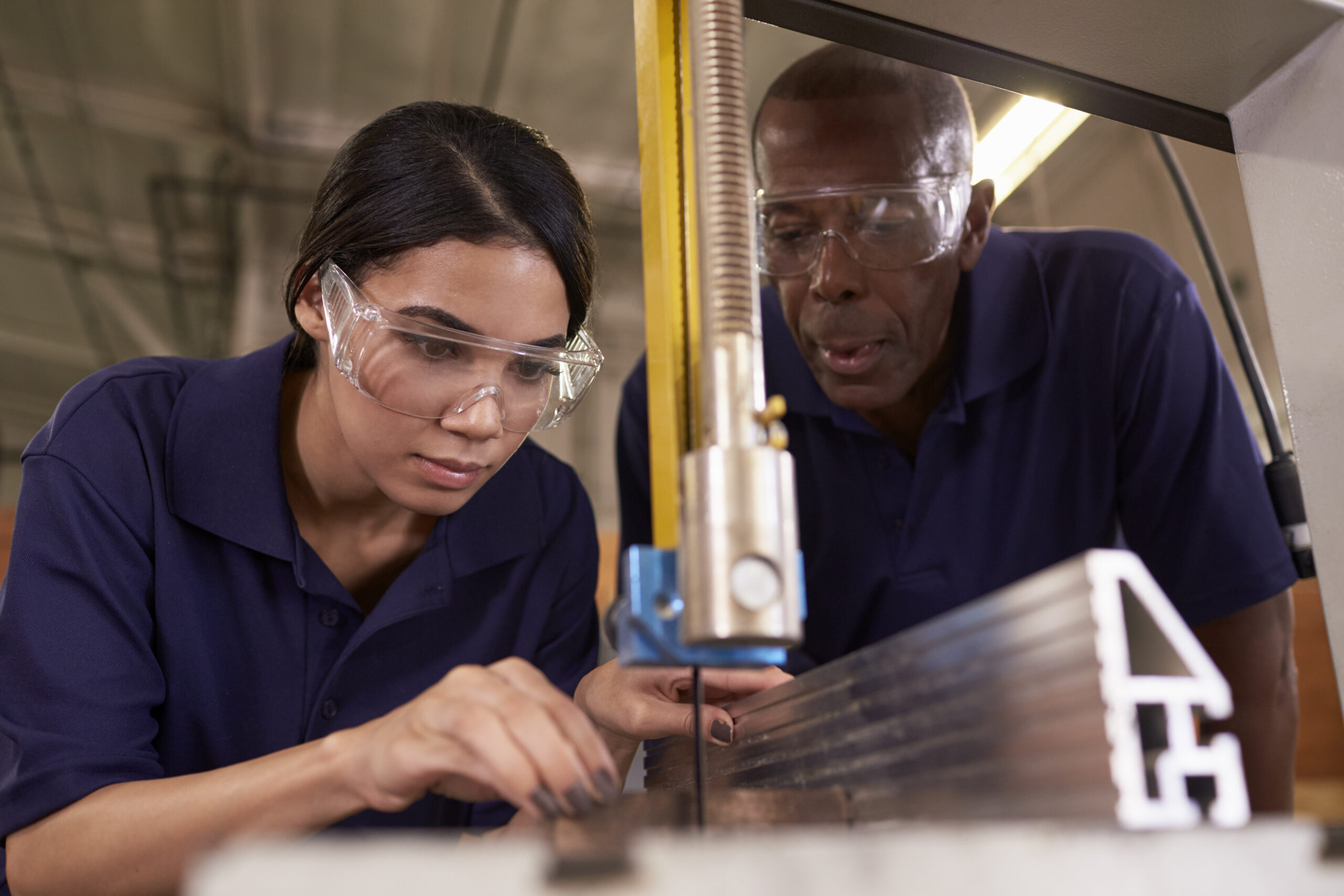
Here to Stay: Black, Latina, and Afro-Latina Women in Construction Trades Apprenticeships and Employment
The skilled construction trades provide opportunities to build careers that are both challenging and fulfilling, pay a family sustaining wage with benefits, and can be accessed through ‘learn as you earn’ apprenticeships. Apprenticeships are particularly common in the unionized sector of the construction industry, where contractors and unions jointly run and fund apprenticeship programs.

Asian and Pacific Islander Women Earn Less than White Men in All but One State
In 2019, the median earnings of Asian American and Pacific Islander women for a year of full-time work were just 84.6 percent of White non-Hispanic men’s, and just 73.3 percent of the median annual earnings of Asian American and Pacific Islander men.2 While Asian American and Pacific Islander women had the highest median annual earnings for full-time year-round women of the largest racial and ethnic groups in the United States, $55,0003 compared to $47,299 for all women workers,4 this hides large differences in the labor market experiences for different groups of women.
