
Equitable Work and Wages
We believe that economic justice begins with fair compensation for all women, and we build evidence to support equal pay policies, livable wages, unions and labor rights, and better job quality for women and their families.


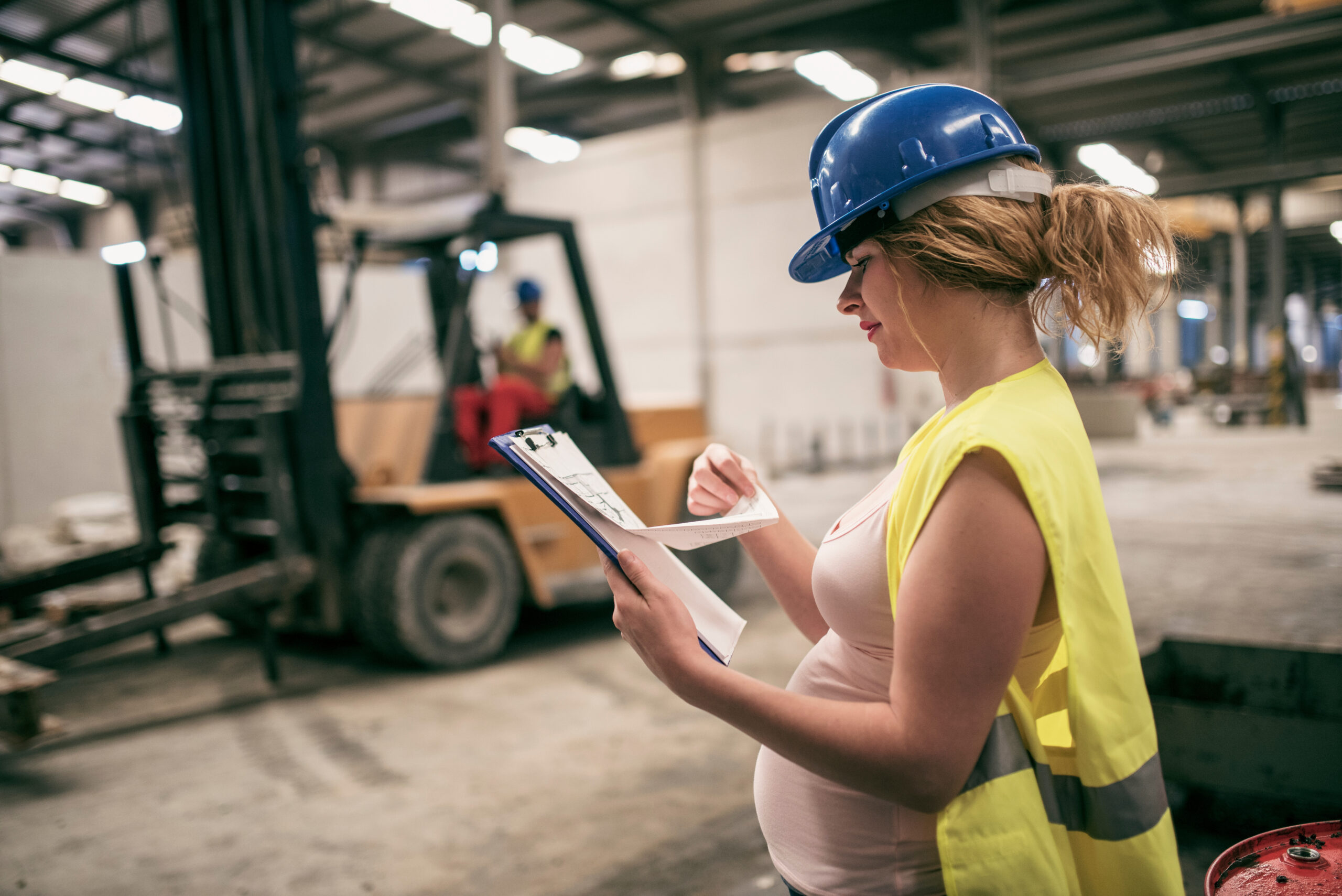
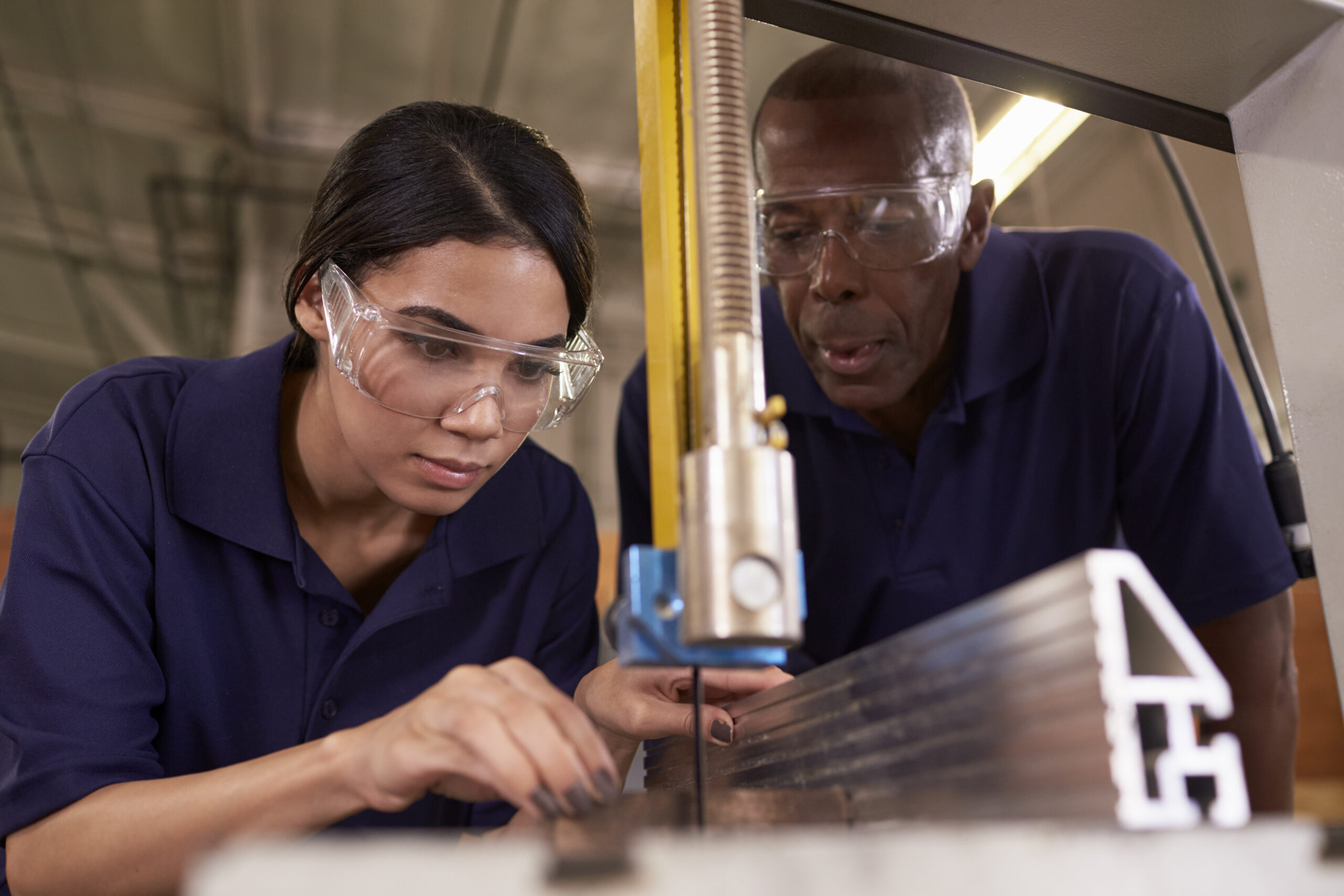



Lost Jobs, Stalled Progress: The Impact of the “She-Cession” on Equal Pay
In year one of COVID-19, the gender wage gap narrowed slightly only for full-time, year-round workers, with women in low-paying jobs bearing the brunt of the crisis. For all workers, the gender gap widened slightly.

The Gender Pay Gap, 1960 to 2020—with Forecast for Achieving Pay Equity
If progress continues at the same rate as it has since 1960, it will still take another 39 years, until 2059, to reach full equity between women and men among full-time, year-round workers.
A Decade with No Improvement: Native Women and the Wage Gap
Native American and Alaska Native women are paid less than White men in all states with sufficient sample sizes—with little progress towards equity over the last decade.

Stronger Together: Union Membership Boosts Women’s Earnings and Economic Security
In every state, unionized women out earn women in non-union jobs—an essential wage advantage that would increase women’s economic security following the pandemic-induced “she-cession.” This brief shares insights on the ways unions narrow gender wage gaps and improve economic security for all women.
