
Work and Family
The equal participation of women in politics and government is integral to building strong communities and a vibrant democracy in which women and men can thrive. By voting, running for office, and engaging in civil society as leaders and activists, women shape laws, policies, and decision-making in ways that reflect their interests and needs, as well as those of their families and communities.
Today, women constitute a powerful force in the electorate and inform policymaking at all levels of government. Yet, women continue to be underrepresented in governments across the nation and face barriers that often make it difficult for them to exercise political power and assume leadership positions in the public sphere. This chapter presents data on several aspects of women’s involvement in the political process in the United States: voter registration and turnout, female state and federal elected and appointed representation, and state-based institutional resources for women. It examines how women fare on these indicators of women’s status, the progress women have made and where it has stalled, and how racial and ethnic disparities compound gender disparities in specific forms of political participation.

Details
Map Description, legend or descriptive text
Section Links
Political Participation Rank and Score by State

Research News Roundup November 2020
Research Making the News A grim test case on how progressive paid-leave and child care policies failed to close the gender pay gap Market Watch | Andrew Keshner | November 17, 2020 The U.S. needs measures like a universally available child care system to help [...]

Stepping Up to Lead: Women Re-Shaping America’s Leadership, Politics & Priorities
Women comprise more than 50 percent of the U.S. population but currently hold just 23 percent of elected seats in Congress and about 1 in 3 state legislative seats. In 2018, a record number of women were elected to office—117 women, including 42 women of color—bringing their expertise, diverse experiences, and agenda for broad and inclusive change to Congress and state legislatures across the country.

The Status of Women In North Carolina: Political Participation
The Status of Women in North Carolina: Political Participation presents data on several aspects of women’s involvement in the political process in North Carolina, comparing North Carolina to other states and the United States overall.

Women and the Care Crisis: Valuing In-Home Care in Policy and Practice
The paper suggests that to improve the quality of in-home care jobs, address the industry’s anticipated labor shortage, and ensure that high-quality care is available in the United States, it is necessary to increase the value attributed to care work through critical changes in public policies and practices. These changes would benefit not only the women and men who are care workers or recipients, but also the nation overall. As a sector in which job growth is especially rapid, the care industry is integral to the U.S. economy; as a result, any changes that help to fill the gap in this industry and improve conditions for its workforce will strengthen the nation’s economy as a whole.

Breadwinner Mothers by Race/Ethnicity
The large majority of mothers in the United States are in the labor force making their economic contribution vital for their families’ economic security. One in two of the over 30 million families with children under 18 in the United States have a breadwinner mother, who is either a single mother, irrespective of earnings, or a married mother contributing at least 40 percent of the couple’s joint earnings;
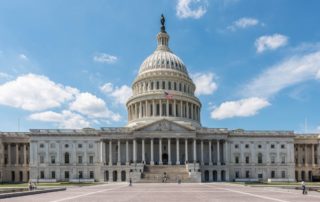
Gender Political Parity in the U.S. Congress: Women Will Wait 88 Years before Achieving Equal Representation
DOWNLOAD REPORT Women are a vital and integral part of building strong communities, and equal participation of women in elective office is crucial to a fair and equitable democracy. By running for office, women shape laws, policies, and decision-making in ways that reflect [...]
