New IWPR Analysis Reveals Economic Harm of State Abortion Bans
IWPR's latest report points to a clear correlation between abortion restrictions and economic underperformance, further highlighting that restrictions or total bans on abortion care not only jeopardize women’s health but actively harm state economies.
IWPR Launches Connect for Success Initiative to Expand Sexual and Reproductive Health Services for Community College Students
IWPR has proudly announced the launch of its new initiative, Connect for Success—a groundbreaking initiative aiming to significantly increase community college students' access to high-quality, comprehensive sexual and reproductive health (SRH) care services. The initiative starts with awards to eleven grantees across the country working on the ground to provide students with the support they need to succeed.
National Gender Wage Gap Widens in 2023 for the First Time in 20 Years, With Women Making 82.7 Cents on the Dollar Compared to Men, Down from 84 Cents in 2022
“The worsening gender wage gap is a national disgrace," says IWPR President and CEO Dr. Jamila K. Taylor.
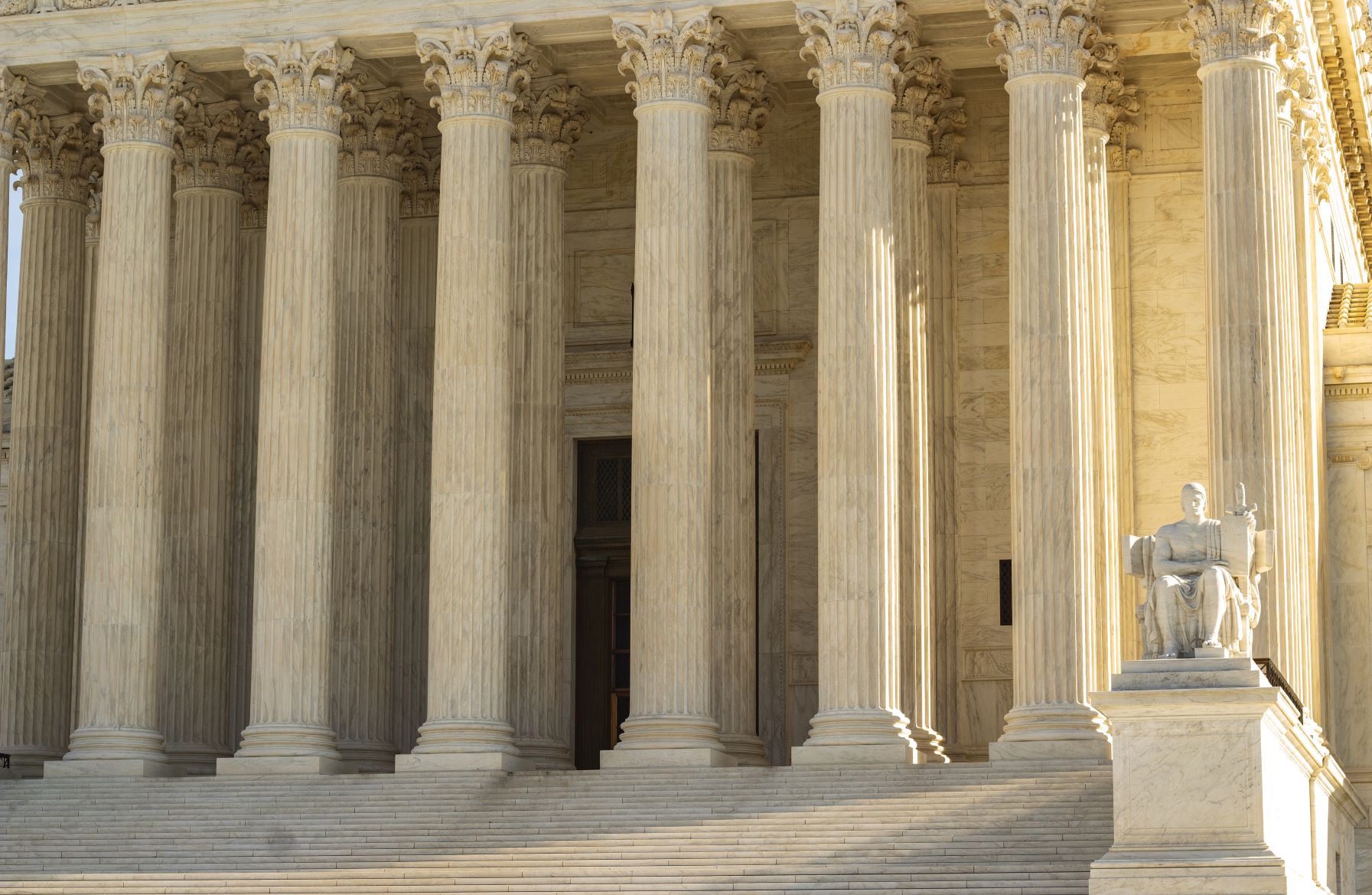
Supreme Court Rejects Far Right Effort to Restrict Access to Medication Abortions and Mifepristone
"The far-right effort to block access to mifepristone is not about women’s safety—it is about controlling women’s choices and curtailing their freedoms. It is part of a broader crusade to impose their own ideology on women in this country and prevent them from making their own reproductive health care decisions. Today, we celebrate this decision, but we must remain vigilant against such attacks.”
--IWPR President Dr. Jamila K. Taylor
In advance of the 10th anniversary of Hurricane Katrina and the flooding of New Orleans, the Institute for Women’s Policy Research (IWPR) released a report presenting a comprehensive analysis of the interview responses of 184 low-income black women who were living in “The Big Four”—four large housing projects within the city of New Orleans, known as “the Bricks”—and who were displaced by the twin disasters of the hurricane and the flooding.
According to an Institute for Women’s Policy Research (IWPR) analysis of the August employment report from the U.S. Bureau of Labor Statistics (BLS), women gained 115,000 jobs and men gained 100,000 for a total of 215,000 jobs added in July. The overall unemployment rate remained unchanged at 5.3 percent from June.
Washington, DC—New data released today by the Institute for Women’s Policy Research (IWPR), as part of its Status of Women in the States: 2015 series, finds wide disparities across the states and among racial/ethnic groups when it comes to women’s health and safety. IWPR graded each state and the District of Columbia on Health & Well-Being and Reproductive Rights, and analyzed state and national data on Violence Against Women.
On Equal Pay Day, the Institute for Women’s Policy Research (IWPR) released new analysis finding that women earn less than men in almost all of the 116 occupations for which the U.S. Bureau of Labor Statistics publishes weekly full-time earnings data for both women and men. In at least 109 of the 116 occupations, including almost all of the 20 most common occupations for women, women made significantly less than men.
New analysis by the Institute for Women’s Policy Research (IWPR) finds that 41 percent of Louisiana’s workers lack access to a single paid sick day, and access is especially low among part-time and low-wage workers, communities of color, and service workers in the state.