
Equitable Work and Wages
We believe that economic justice begins with fair compensation for all women, and we build evidence to support equal pay policies, livable wages, unions and labor rights, and better job quality for women and their families.





Women’s Median Earnings as a Percent of Men’s, 1985–2019 (Full-Time, Year-Round Workers) with Projections for Pay Equity, by Race/Ethnicity
Notes: Estimates presented for All Women are based on the earnings ratio for full-time, year-round workers between all women and all men, while the estimates for White, Black, Asian, and Hispanic women are based on the earnings ratio for full-time, year-round workers of each [...]

State-by-State Earnings for American Indian and Alaska Native Women: Wage Gaps Across the States
American Indian and Alaska Native (AIAN) women have made important advances socially, economically, and politically—they are starting their own businesses, getting elected to congress, and serving essential roles in their families and communities. Despite their efforts, they continue to face a range of obstacles to their and their family’s economic wellbeing and overall economic security.

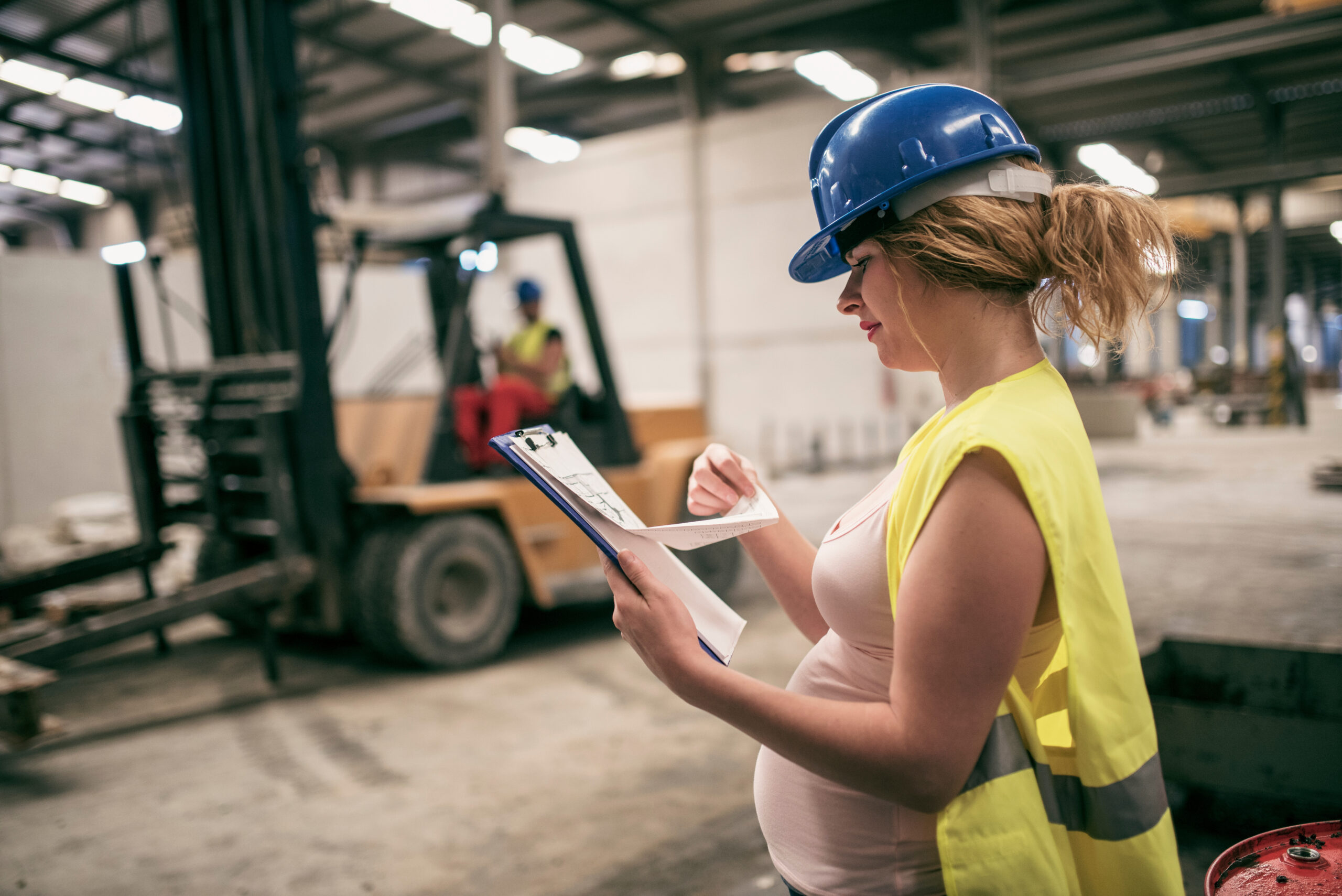
Fast Facts: Pregnancy in the Workplace and the Pregnant Workers Fairness Act (PWFA)
Passing the PWFA would mean a step towards workplace gender equity, healthy pregnancies, reduced health disparities, and the economic security of pregnant and parenting women and their families.

Same Gap, Different Year: The Gender Wage Gap, 2019 Earnings Differences by Gender, Race, and Ethnicity
The rate of progress toward closing the gender pay gap did not increase in 2019. If the pace of change in the annual earnings ratio continues at the same rate as it has since 1960, it will take another 39 years, until 2059, for men and women to reach parity.1 This projection for equal pay has remained unchanged for the past four years.
