
Equitable Work and Wages
We believe that economic justice begins with fair compensation for all women, and we build evidence to support equal pay policies, livable wages, unions and labor rights, and better job quality for women and their families.



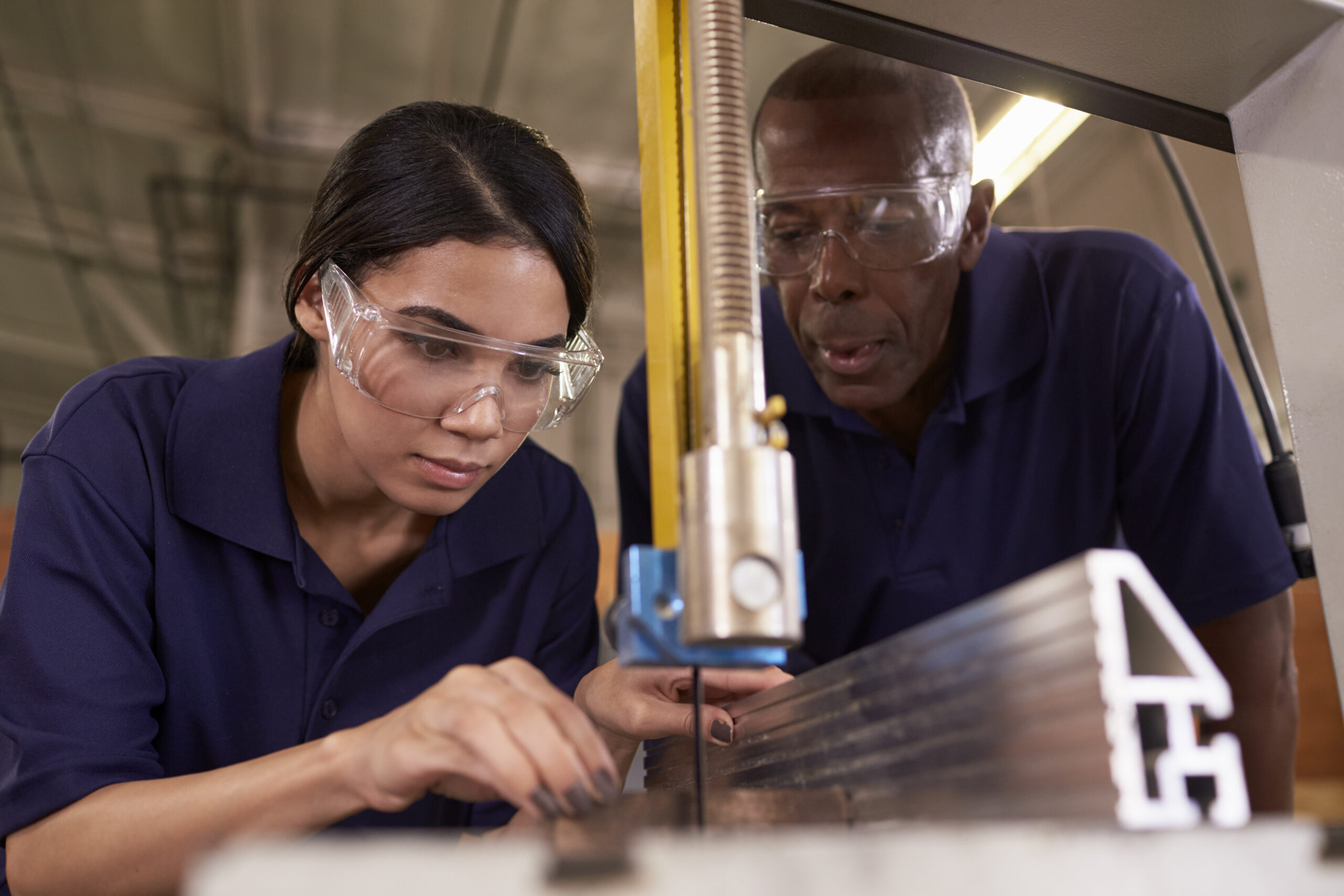



Equity in Innovation: Women Inventors and Patents
DOWNLOAD REPORT This report compiles existing data on women and patenting. It explores both women’s underrepresentation among patent holders and their relative success in being granted patents when they apply for them. The report identifies the technology classes that women are most likely [...]

Supportive Services in Job Training and Education: A Research Review
DOWNLOAD REPORT This report presents findings from a review and analysis of literature on the importance, effectiveness, and availability of support services for participants in job training programs in the United States. It assesses current knowledge about these services by examining reports on [...]

Breadwinner Mothers by Race/Ethnicity and State
With the large majority of U.S. mothers in the labor force and a steady decline in the real earnings of all workers over recent decades, families are increasingly relying on mothers’ earnings for economic stability. In the United States, half of all households with children under 18 have a breadwinner mother, who is either a single mother who heads a household, irrespective of earnings, or a married mother who provides at least 40 percent of the couple’s joint earnings.
The Economic Impact of Equal Pay by State
Persistent earnings inequality for working women translates into lower lifetime pay for women, less income for families, and higher rates of poverty across the United States. In each state in the country, women experience lower earnings and higher poverty rates than men.
