
Employment and Earnings
The equal participation of women in politics and government is integral to building strong communities and a vibrant democracy in which women and men can thrive. By voting, running for office, and engaging in civil society as leaders and activists, women shape laws, policies, and decision-making in ways that reflect their interests and needs, as well as those of their families and communities.
Today, women constitute a powerful force in the electorate and inform policymaking at all levels of government. Yet, women continue to be underrepresented in governments across the nation and face barriers that often make it difficult for them to exercise political power and assume leadership positions in the public sphere. This chapter presents data on several aspects of women’s involvement in the political process in the United States: voter registration and turnout, female state and federal elected and appointed representation, and state-based institutional resources for women. It examines how women fare on these indicators of women’s status, the progress women have made and where it has stalled, and how racial and ethnic disparities compound gender disparities in specific forms of political participation.

Details
Map Description, legend or descriptive text
Section Links
Political Participation Rank and Score by State

Fixing the Child Care Staffing Shortage by Making Child Care Jobs “Good Jobs”
Download Report Child care is an essential support for parents’ full participation in the economy, education, and training, and for children’s growth and development into healthy and well-adjusted adults. Even before the COVID-19 pandemic’s onset, however, high-quality and affordable child care was [...]

IWPR Reproductive Rights Index: A State-by-State Analysis and Ranking
Download Report The Status of Women in the States Initiative at the Institute for Women’s Policy Research provides timely data and research on women’s progress and well-being in the United States on a number of important indicators: employment and earnings, political participation, [...]

UNIVERSAL PRE-K WILL SAVE FAMILIES $17 BILLION IN OUT-OF-POCKET EXPENSES
Universal preschool provides excellent benefits to children and families. It improves school readiness and provides long-term educational benefits. Children who attend preschool are less likely to get arrested later in life or face disciplinary measures such as juvenile incarceration. They are also more likely [...]

Women Make Gains in Men-Dominated Jobs, but Still Lag Behind in COVID-19 Recovery
Employment data released in April 2022 show another month of strong job growth. Women gained the majority of total job growth and moved into men-dominated jobs, like construction. Still, women are still much further than men from reaching pre-pandemic levels.
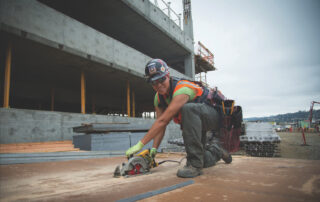
Numbers Matter: Clarifying the Data on Women Working in Construction
In 2021, the number of women working in trades occupations reached the highest level ever. However, many women in the trades, particularly women of color, face discrimination in hiring and on the job. Having clear data can create accountability and help ensure that women have access to sustainable careers in the trades.

The Status of Women in North Carolina: Poverty & Opportunity
In North Carolina and across the United States, women have made significant progress. Despite this, many women remain in poverty with limited access to a quality education, affordable health care services, and other supports that would give them economic security. This report looks at four indicators necessary for women’s economic success: (1) access to health insurance coverage, (2) educational attainment, (3) business ownership, and (4) poverty rates. These indicators are combined to create an index that ranks North Carolina against all 50 states and the District of Columbia.
