
Reproductive Rights
The equal participation of women in politics and government is integral to building strong communities and a vibrant democracy in which women and men can thrive. By voting, running for office, and engaging in civil society as leaders and activists, women shape laws, policies, and decision-making in ways that reflect their interests and needs, as well as those of their families and communities.
Today, women constitute a powerful force in the electorate and inform policymaking at all levels of government. Yet, women continue to be underrepresented in governments across the nation and face barriers that often make it difficult for them to exercise political power and assume leadership positions in the public sphere. This chapter presents data on several aspects of women’s involvement in the political process in the United States: voter registration and turnout, female state and federal elected and appointed representation, and state-based institutional resources for women. It examines how women fare on these indicators of women’s status, the progress women have made and where it has stalled, and how racial and ethnic disparities compound gender disparities in specific forms of political participation.

Details
Map Description, legend or descriptive text
Section Links
Political Participation Rank and Score by State

The Status of Women in North Carolina: Health & Wellness
This report provides information on the health, well-being, and reproductive rights of women in North Carolina, including differences by race and ethnicity and by county where data are available.

Work Supports for Adult Health: The Role of Paid Family and Medical Leave
Many Americans struggle to balance work and caregiving responsibilities. As the United States population ages — with the U.S. Census Bureau projecting that by 2035 those 65 and older will outnumber the youth for the first time in history – the number of men and women who are providing care for someone age 65 and older will continue to increase. In addition, one in seven people live with an adult with a disability.

Dreams Deferred: A Survey on the Impact of Intimate Partner Violence on Survivors’ Education, Careers, and Economic Security
This report examines the educational, career, and economic effects of intimate partner violence by presenting findings from a survey of 164 survivors developed by the Institute for Women’s Policy Research (IWPR) and administered at transitional housing programs, shelters, and other domestic violence programs in 11 states and the District of Columbia.

Sexual Harassment and Assault at Work: Understanding the Costs
Through a review of the current literature on sexual harassment and assault, this briefing paper highlights how workplace sexual harassment and assault affect women’s economic advancement and security, and the costs of these harms to employers (including estimates of financial losses where available). It also provides recommendations for preventing sexual harassment and reducing the negative effects of harassment for individuals and workplaces.

The Well-Being of Women in Utah in 2018
As of 2016, women in Utah still work outside of the home at similar rates to women nationally and—while not yet at the same levels as U.S. women—they also continue to pursue business ownership, make progress in educational attainment, and overcome some aspects of poverty.
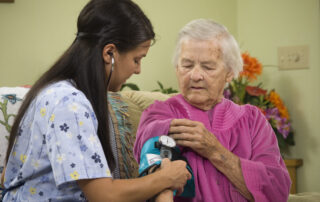
The Shifting Supply and Demand of Care Work: The Growing Role of People of Color and Immigrants
As the Baby Boom generation matures and current unmet child care needs remain constant, the United States faces a burgeoning crisis in the demand for care workers. The market has slowly but surely begun to adapt, seeing an overall growth of 19 percent in the number of care workers between 2005 and 2015, with most of that growth in adult care. The U.S. Department of Labor suggests that this will only grow further, projecting that the economy will add more than 1.6 million jobs in occupations related to adult care by 2024 (Rolen 2017).
