Addressing the US maternal health crisis requires a sufficient understanding of the factors that shape the health outcomes of birthing people and their children. Unfortunately, concerns about data collection are persistent, including a lack of standardization and reporting among states and transparent access to data that is collected.
More recently, the Trump administration’s historic federal workforce and program budget cuts and anti-DEI attacks have threatened data collection that reflects the persistent racial and gender disparities in health outcomes, including the Pregnancy Risk Assessment Monitoring System (PRAMS). The data we have show that medical and systemic racism are enduring, but the information researchers have is imperfect at best, challenging efforts to improve maternal health care access.
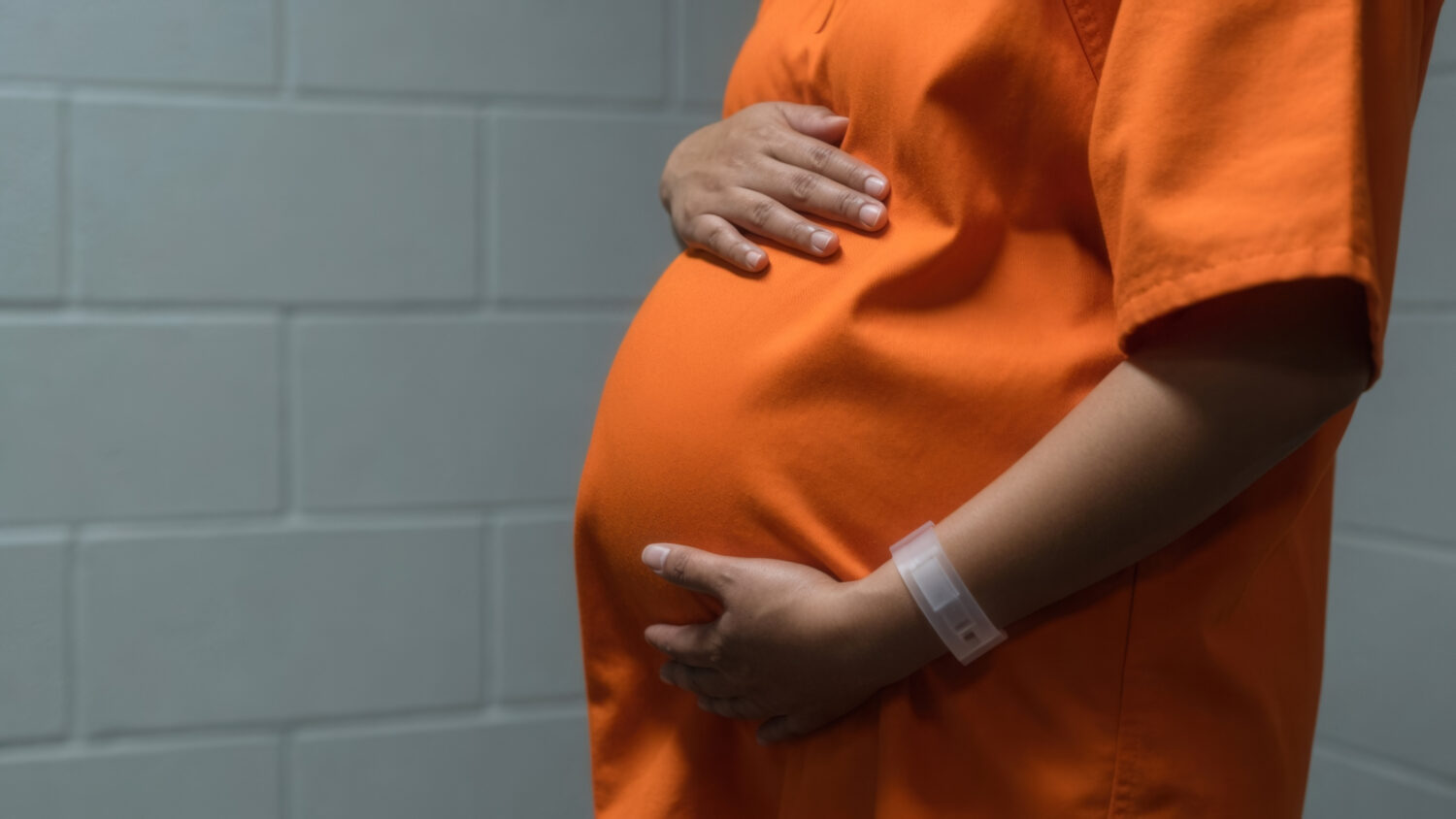
One example of the lack of data is the sparse information on pregnant people who are incarcerated across the country. There are nearly two million people currently being held in correctional facilities in the United States, and approximately 200,000 of those are women and girls. Each year, approximately 4–5 percent of these women are admitted to prison while pregnant. Unfortunately, there is a dearth of data on pregnancy outcomes among incarcerated women, contributing to a lack of action in providing this population with access to reproductive health care.
To fully understand how incarcerated women can access this care, this population needs to be represented in the data and acknowledged in efforts to address the maternal health crisis.
The US Department of Justice’s (DOJ) Bureau of Justice Statistics (BJS) released its first national report on pregnancy outcomes in prisons in 2023, which found that over 700 pregnancies ended while a pregnant woman was in custody that year. Notably, the BJS analysis only focused on pregnancy outcomes in federal and state prisons. To date, there has not been a comprehensive report on reproductive health care access in prisons and jails across the country.
The DOJ collects limited data on pregnant women in jails and state prisons and does not currently report on the health care pregnant women receive while in prison. Because of the lack of data available on incarcerated women in the United States, it is difficult to draw consistent conclusions regarding how well birthing people can access reproductive health care in carceral facilities.
While in custody, women report experiencing varying access to perinatal and postnatal care, particularly after the US Supreme Court’s 2022 Dobbs decision removing the federal right to abortion, which triggered state-by-state actions and led to institutional facilities in states that prohibited abortion access to stop providing such services. With numerous voluntary national standards, individual federal agency policies, and 41 states with their own regulations and standards on women’s reproductive health care in carceral facilities, access to this care varies widely depending on the specific jail or prison in which a person is incarcerated. Though the 1976 Estelle v. Gamble US Supreme Court decision ruled that correctional facilities must attend to the “serious medical needs” of the incarcerated population, in 2025, Vera—a criminal justice research and advocacy organization—found that incarcerated persons’ medical needs are regularly neglected. According to a Johns Hopkins University Bloomberg School of Public Health analysis, many prison and jail facilities provide “substandard” or no access to reproductive health care.
In 2024, the US Department of Health and Human Services (HHS) collected nationwide data on outcomes of recorded pregnancies, but not on whether a woman had been incarcerated during her pregnancy. Additionally, according to a Government Accountability Office (GAO) 2024 report, prison and jail officials reported that due to a lack of funding and resources, the most information they collect is the status of pregnancy upon admission to the prison, leaving insufficient data on reproductive health care services offered in jails and prisons. While the report indicated that additional BJS collection efforts for more comprehensive data were underway, with release expected in 2025, no findings have been published to date.
To combat the ongoing domestic maternal health crisis, particularly after the Dobbs decision and subsequent rollbacks on reproductive health care accessibility, access to the limited data that is available is even more crucial. To address the lack of data on pregnancy outcomes, including that of incarcerated women, federal policymakers should support and enact legislation to not only provide the relevant agencies with resources to collect data, but also to facilitate the sharing of such data among federal and state agencies and stakeholders, including research and advocacy organizations.
For more on the importance of data collection and policy solutions, read IWPR’s Federal Policy Agenda to Advance Gender Equity Maternal Health brief.
This blog was prepared by Khadija Mohammed, with additional support from Dr. Jennifer Turner, Dr. Kate Bahn, and Jesseca Boyer.
IWPR Comments Regarding State Implementation of Medicaid Work Requirements
IWPR Comments for the Centers for Medicare & Medicaid Services (CMS) interim final rule CMS-2454-IFC, establishing nationwide requirements to guide state implementation of Medicaid work requirements.