Women’s longer life expectancy, combined with their lower overall earnings and limited contributions to retirement savings, lead to a greater incidence of poverty for women at older ages.
Student parents and other nontraditional college students face unique challenges to academic success and degree attainment, including financial barriers, managing work, school, and family responsibilities, and a lack of support services.
There is a dearth of information about—and policy attention to—women’s experiences navigating circumstances that shape their health, such as menstruation, access to contraception, (in)fertility, and menopause.
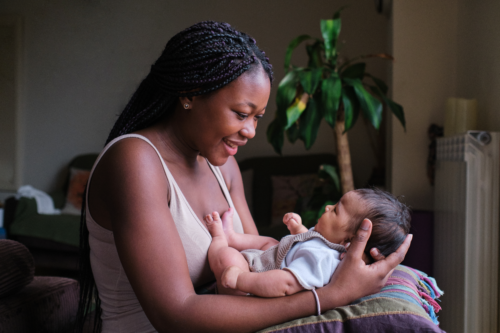
The United States has the highest rate of maternal mortality among wealthy nations, and Black women continue to die from pregnancy-related causes at rates three times higher than White women.
Barriers to abortion disproportionately affect those who cannot afford to take time off work, arrange child care, or travel long distances, which deepends inequities for people already facing economic hardship.
Given the significant overrepresentation of women in low-paying jobs, the minimum wage is a crucial determinant of women’s economic well-being in the US.
Policy changes, as well as the full implementation of existing protections, can help to improve workplaces for women—and all workers—and promote equity and long-term economic success.
The gender wage gap translates to thousands of dollars less per year to spend on children, invest in a mortgage, pay off student loans, and save for retirement or emergencies.
Refundable tax credits, which are available to low- and no-income families, have been shown to reduce poverty and hardship among families and to increase financial stability.