Every Number Tells a Story. Choose Yours.
Our giving levels reflect real data from IWPR’s research—because evidence shapes not just our work, but how we invite you to support it.

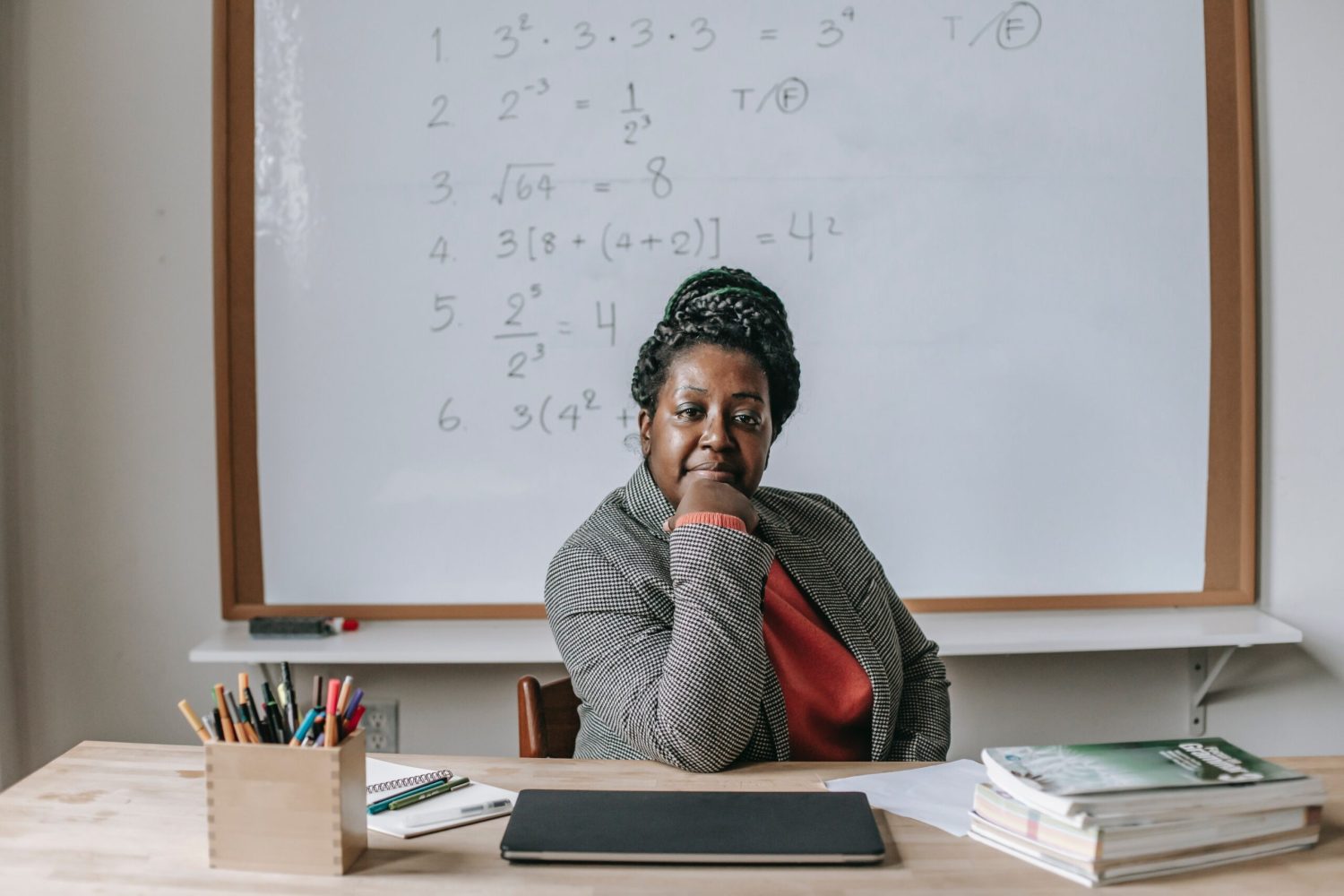
Black Women’s Equal Pay Day, which took place this year on September 21, is a nationally recognized day to highlight the pay and income disparities of Black women compared to their white, non-Hispanic male counterparts in the United States. Black women had to work 21.5 months to make what the average white man has earned in just 12 months. Despite being more likely to be the breadwinners of their families, Black women, on average, need a bachelor’s degree to make what white men make with just a high school degree. As a result, the targeted exclusion of Black women from education and equal pay has meaningful generational implications.
Education is often hailed as the most reliable path to economic success; however, the history of institutional racism and misogyny still permeates the majority of educational spheres and inhibits the progress of Black women. IWPR research found that, due to the impacts of systemic racism, many Black parents must send their children to underfunded high-poverty schools. In fact, an IWPR study found that 72% of Black children in New York City attend schools characterized by run-down facilities, high teacher turnover, high student-teacher ratios, and a lack of basic school supplies.
Additionally, Black girls are suspended or expelled from public schools at much higher rates than other girls, with punishment often leading directly to imprisonment. Black women are systemically pushed out of educational spaces starting from girlhood. The school-to-prison pipeline leads them to miss out on vital education and has long-term harrowing educational, economic, and political consequences.
Colleges and universities also have a legacy of excluding Black women – anti-Black racism and misogyny are deeply ingrained in higher education. Despite the Civil Rights Act of 1964 and efforts to integrate women in higher education, many Black women were forced to attend vocational schools instead of baccalaureate programs due to institutional misogynoir. Although Black women today enroll in college at higher rates than non-Black women, equity gaps in college completion persist.
IWPR research has particularly highlighted the challenges that Black mothers’ face when seeking to attain a secondary degree. IWPR studies report that one in three Black women in college are single mothers, and, first-time enrolled students with children are twice as likely to leave college before graduating than students who are not parents. Existing racial and gender barriers to education are often exacerbated by those of motherhood, adding additional obstacles for Black mothers in higher education.
Additionally, the history of targeting Black women through reconstructed welfare reform still heavily impacts Black mothers’ ability to complete a secondary degree. The sweeping welfare reforms of the 1990s included work-first policies that forced Black mothers out of higher education by making it challenging to both receive TANF (Temporary Assistance for Needy Families) and attend college. As a result of these policies, there was a direct decline in the number of Black women in higher education.
Moreover, higher education is a key determinant of income, the ability to accumulate and pass down generational wealth, generational education attainment, and overall well-being and health. Systemic racism, including the history of exclusion from higher education, contributes to Black families having less wealth to draw from for college tuition, forcing Black students who attend colleges or universities to take out more debt than their peers of other backgrounds. In addition to the numerous barriers Black women must overcome to participate in higher educational spaces, Black women also have the highest average student loan debt. Black Women’s Equal Pay Day highlights the disadvantages of the pay disparities specific to Black women, one being that the wage gap further exacerbates student debt rates.
Several policy interventions can address the targeted exclusion of Black women in education:
Our giving levels reflect real data from IWPR’s research—because evidence shapes not just our work, but how we invite you to support it.